Media Summary: Buying and using quality medical devices can be the difference between diagnosing and curing an illness or disease, and death. Zhenan Bao, a professor of chemical engineering at Using advanced 3D printing techniques, Assistant professor of

Stanford Bioengineers Develop A 20 - Detailed Analysis & Overview

Buying and using quality medical devices can be the difference between diagnosing and curing an illness or disease, and death. Zhenan Bao, a professor of chemical engineering at Using advanced 3D printing techniques, Assistant professor of A prolific inventor of low-cost, high-impact healthcare devices recently set his sights on COVID-19. Manu Prakash was in France ... Manu Prakash won The Science Play and Research Kit Competition (SPARK) to What if AI could tell us we have cancer before we show a single symptom? Steve Quake, head of science at the Chan Zuckerberg ...

July 6, 2006 presentation by Matthew Scott for the A new simulation technology could one day help surgeons plan operations to relive brain swelling before they cut into the skull. A device the size of a peppercorn can activate neurons of the brain, spinal cord or limbs in mice and is powered wirelessly using ...
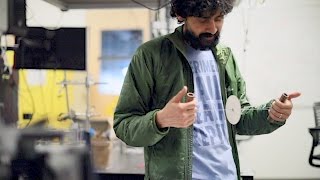
Photo Gallery

Stanford bioengineers develop a 20-cent, hand-powered centrifuge
Saving Lives for 20 Cents | Manu Prakash | TEDxStanford
Zhenan Bao: On A Quest to Develop Artificial Skin
Stanford bioengineers test head impact sensors worn by athletes
Matthew Scott Bioengineer Embryonic Development
Stanford scientists work toward a 3D printed heart
The Future of Everything — Manu Prakash: How to beat a pandemic on a budget
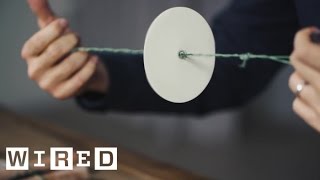
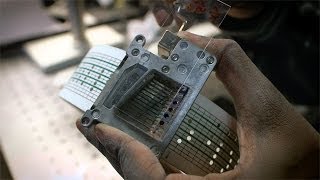
This Simple Paper Centrifuge Could Revolutionize Global Health | WIRED
Stanford bioengineer creates $5 chemistry set
Stanford's Stephen Quake, Bioengineer
Stanford researchers decode an ancient, extraordinary animal
Stanford professor on the future of life-saving medicine  | Steve Quake
View Detailed Profile
Stanford bioengineers develop a 20-cent, hand-powered centrifuge

Stanford bioengineers develop a 20-cent, hand-powered centrifuge

Inspired by a whirligig toy,

Saving Lives for 20 Cents | Manu Prakash | TEDxStanford

Saving Lives for 20 Cents | Manu Prakash | TEDxStanford

Buying and using quality medical devices can be the difference between diagnosing and curing an illness or disease, and death.

Zhenan Bao: On A Quest to Develop Artificial Skin

Zhenan Bao: On A Quest to Develop Artificial Skin

Zhenan Bao, a professor of chemical engineering at

Stanford bioengineers test head impact sensors worn by athletes

Stanford bioengineers test head impact sensors worn by athletes

Research by

Matthew Scott Bioengineer Embryonic Development

Matthew Scott Bioengineer Embryonic Development

Matthew Scott is a

Stanford scientists work toward a 3D printed heart

Stanford scientists work toward a 3D printed heart

Using advanced 3D printing techniques, Assistant professor of

The Future of Everything — Manu Prakash: How to beat a pandemic on a budget

The Future of Everything — Manu Prakash: How to beat a pandemic on a budget

A prolific inventor of low-cost, high-impact healthcare devices recently set his sights on COVID-19. Manu Prakash was in France ...

This Simple Paper Centrifuge Could Revolutionize Global Health | WIRED

This Simple Paper Centrifuge Could Revolutionize Global Health | WIRED

A

Stanford bioengineer creates $5 chemistry set

Stanford bioengineer creates $5 chemistry set

Manu Prakash won The Science Play and Research Kit Competition (SPARK) to

Stanford's Stephen Quake, Bioengineer

Stanford's Stephen Quake, Bioengineer

Stanford's

Stanford researchers decode an ancient, extraordinary animal

Stanford researchers decode an ancient, extraordinary animal

Almost eight years ago,

Stanford professor on the future of life-saving medicine  | Steve Quake

Stanford professor on the future of life-saving medicine | Steve Quake

What if AI could tell us we have cancer before we show a single symptom? Steve Quake, head of science at the Chan Zuckerberg ...

Using Evolution to Understand Human Growth and Disease

Using Evolution to Understand Human Growth and Disease

July 6, 2006 presentation by Matthew Scott for the

Akshay the Inventor

Akshay the Inventor

Akshay Dinakar, '19, graduated from

Stanford researchers design new brain simulation tool

Stanford researchers design new brain simulation tool

A new simulation technology could one day help surgeons plan operations to relive brain swelling before they cut into the skull.

Stanford bioengineer Christina Smolke on her work

Stanford bioengineer Christina Smolke on her work

Bioengineer

Stanford engineers develop a wireless, fully implantable device to stimulate nerves in mice

Stanford engineers develop a wireless, fully implantable device to stimulate nerves in mice

A device the size of a peppercorn can activate neurons of the brain, spinal cord or limbs in mice and is powered wirelessly using ...

Falling off a Log: Bioengineering at Stanford

Falling off a Log: Bioengineering at Stanford

Professor and

Frugal Science in the Age of Curiosity - Manu Prakash

Frugal Science in the Age of Curiosity - Manu Prakash

Manu Prakash,